
Blog

PK Study Design: Avoiding Rework in Early Pharmacokinetics
A PK study is one of the earliest opportunities in preclinical development to understand how a drug behaves within a biological system, including how it is absorbed, distributed, metabolized, and eliminated over time. While PK studies are often viewed as routine...

How to Validate Whole Slide Imaging for Toxicological Pathology
Whole Slide Images (WSIs), also known as digital or virtual slides, are digitized images generated from traditional glass slides using specialized hardware and software. WSIs have been widely used as an alternative to glass slides across various clinical diagnostic...

Moving From GLP-1 to Multi-Target Metabolic Medicines
Obesity and type 2 diabetes remain major global health burdens, with WHO estimating that roughly 890 million people were living with obesity in 2022 and 2.5 billion adults were overweight. GLP-1 therapies have already changed treatment expectations, but the larger...
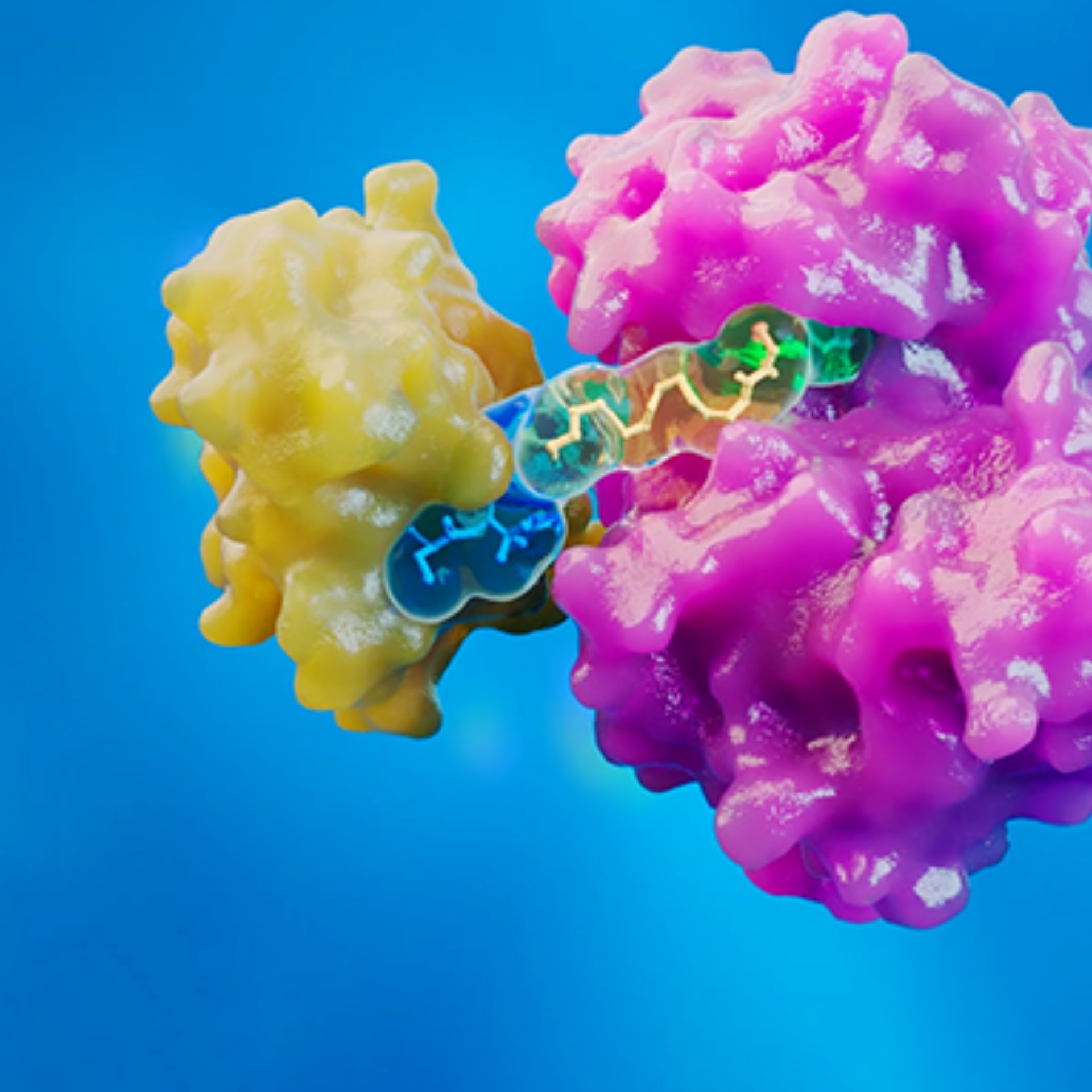
Five Ways PROTACs Break From ADME Norms
In May 2026, US regulators approved vepdegestrant, the first Proteolysis Targeting Chimera (PROTAC) therapy, marking a historic landmark for this drug class. PROTACs offer an exciting and highly promising alternative to traditional small-molecule inhibitors and...

Beyond Single-Marker Pathology: How Highly Multiplex Fluorescence Imaging Is Expanding Translational Research
Precision medicine increasingly depends on understanding not just which biomarkers are present in a tissue sample, but how they interact spatially within the disease microenvironment. Conventional pathology methods – including H&E staining, immunohistochemistry...

ELISA v LC-MS/MS: Preclinical Bioanalysis Platforms for ADCs in Focus
Antibody-drug conjugates (ADCs) have emerged as one of the fastest-growing drug modalities in oncology, offering both precision and potency. Their unique structures allow them to bind to their targets while carrying and releasing potent toxins in controlled ways,...

How Biomarker Testing Services Support Precision Medicine Programs
The shift toward precision medicine has altered the landscape of drug development, moving the industry toward therapies tailored to specific biological profiles. The success of these programs depends on the ability to identify, validate, and quantify biological...

Preclinical vs. Clinical Biomarkers: Differences That Matter
The implementation of a cohesive biomarker strategy is one of the most critical elements of getting a drug candidate from early discovery through clinical development. A common pitfall, however, is the assumption that the analytical methods used in early research will...

Biomarker Assays in Drug Development: Choosing the Right Platform
The transition from a lab concept to a viable clinical drug candidate often relies on accurate measures of biological activity. Biomarker assays serve as these essential yardsticks, providing the data necessary to verify target engagement, assess safety, and predict...

Biomarker Assays: Designing Assays That Scale from Preclinical to Clinic
The progression of a therapeutic candidate from preclinical development to clinic readiness depends heavily on the ability to quantify biological responses accurately. While discovery-phase research focuses on identifying potential indicators of efficacy, the...

Beyond Targeting: How ADC Payloads Drive Toxicity and IND Risk
Antibody-drug conjugates (ADCs) are one of oncology’s most productive modalities because they promise something every drug developer wants: potent tumor destruction with greater selectivity than conventional cytotoxic therapy. As our understanding of ADCs matures, one...

Bioanalytical Method Development and Validation: What IND Sponsors Need to Know
Bioanalytical method development and validation serve distinct yet highly important purposes. Development is the process of establishing an assay’s chemistry and parameters, whereas validation is the formal demonstration that the assay is fit for its intended use....