
Blog

GLP vs. Non-GLP Tox: Choosing the Right Study Design
GLP and non-GLP studies serve distinct yet complementary purposes within nonclinical development. GLP tox studies provide formal quality systems, meticulous documentation, independent oversight, and rigorous data integrity controls required to support regulatory...
What Are GLP Toxicology Studies and Why Are They Required?
In pharmaceutical development, the acronym "GLP" stands for Good Laboratory Practice, a formal quality system governing the organization, planning, performance, monitoring, recording, reporting, and archiving of nonclinical safety evaluations. GLP toxicology studies...

Five Ways to Accelerate Peptide and Oligonucleotide Development Through Integrated Toxicology Studies
Peptides and oligonucleotides are two of the most promising classes of drugs being developed today. Their extraordinary potential means sponsors and developers around the world are investing significant time and resources to make progress with these modalities. ...

Toxicology Studies in Drug Development: What Programs Often Underestimate
The transition of a drug candidate molecule from discovery to clinical investigation is an important moment in any development program. Central to this process are toxicology studies, which serve as the primary mechanism for generating safety profiles and establishing...

Acute Toxicity Studies: Best Practices for First-In-Human Readiness
The transition of a drug candidate from discovery to clinical trial application is one of the most high-stakes phases in drug development. Acute toxicity studies are a foundational component of IND-enabling toxicology programs, providing the early safety data needed...

Maximum Tolerated Dose (MTD): How Dose-Range Finding Drives IND Success
In the competitive landscape of drug development, speed to the clinic must be balanced with the highest standards of safety and regulatory compliance. For mid-sized and large manufacturers alike, the foundational data generated during the earliest phases of testing...

What Is MTD in Drug Development, and Why It’s More Than a Number
The trajectory of a pharmaceutical program often hinges on the quality of its early safety data. When considering “what is MTD in drug development?” it's essential to look beyond a simple numeric value and view it as a cornerstone of strategic decision-making. The...
The Bioanalytical Challenges of In Vivo CAR-T Therapy Development
The concept of Chimeric antigen receptor T cell (CAR-T) therapy was first proposed in the late 1980s, and CAR design has continuously evolved in both structure and function. This form of therapy has already benefitted tens of thousands of cancer patients, and...
How to Address Metabolite Identification Challenges in Advanced Peptide Therapeutics
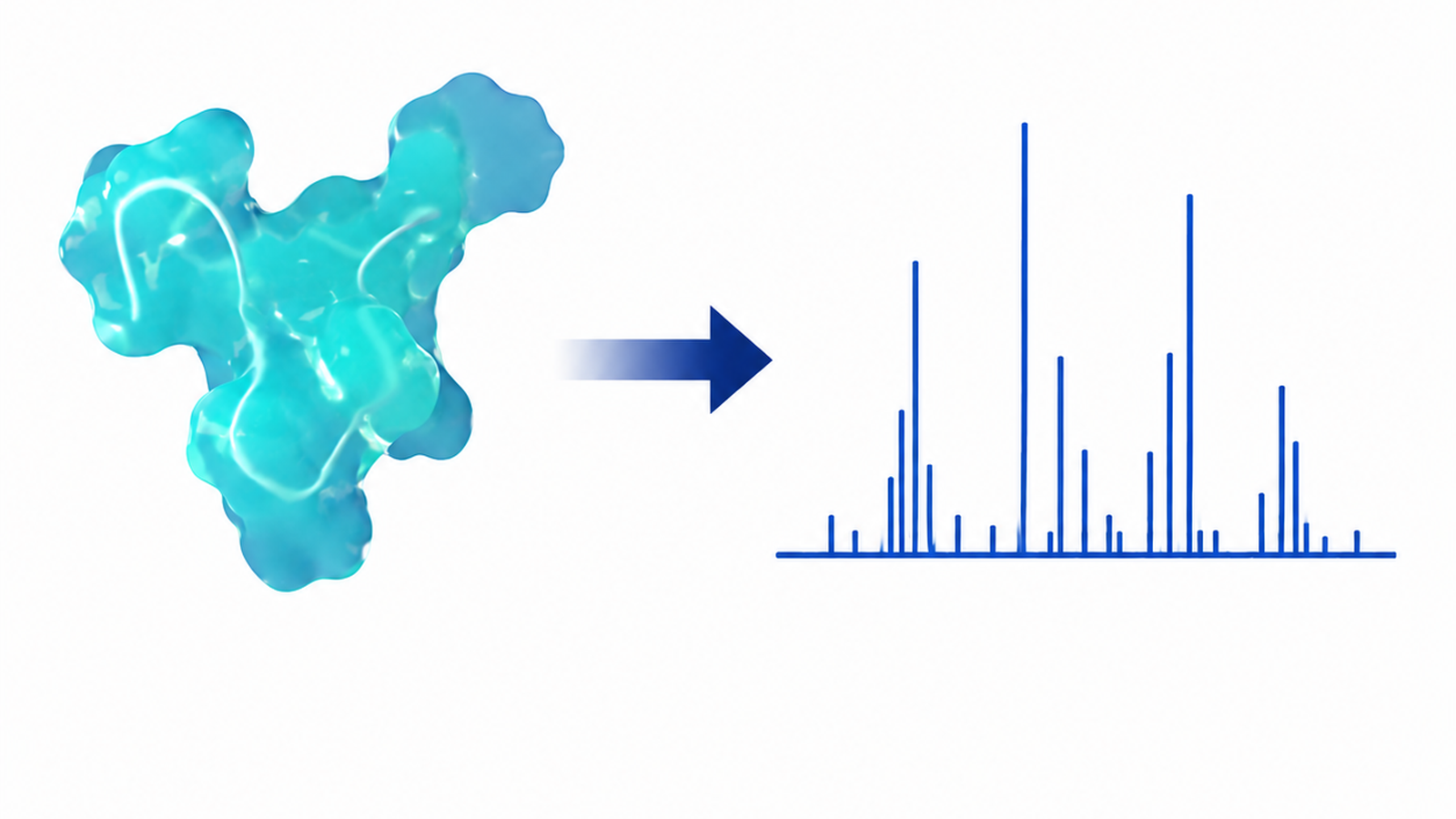
The success of GLP-1 drugs has driven a surge in advanced peptide therapeutic development and has transformed the treatment of metabolic disease. Engineered peptides can deliver long-acting, highly-specific therapies, but their popularity has reached such a peak that...

EU New Drug Applications: 5 Tips to Prepare for Scientific Advice Requests
The European Union (EU) is the world’s second-largest pharmaceutical market and boasts abundant clinical resources for biopharmaceutical companies seeking global expansion. However, the region has a distinct regulatory architecture and high compliance costs,...

Peptide Development: A Tiered DMPK Approach to Bridge Discovery and IND-enabling Studies
Drug metabolism and pharmacokinetics (DMPK) studies are a crucial step in identifying drugs with sufficient potential to advance through the development process. They help determine the pharmacokinetic characteristics of drug candidates through comprehensive...

Three Tips for Addressing the Complex Toxicity of ADCs
Antibody-drug conjugates (ADCs) benefit from an elegant design. When functioning to their full potential, they entrust an antibody to guide a therapeutic payload directly to tumor cells, while avoiding unwanted effects on healthy tissue. This combination of...