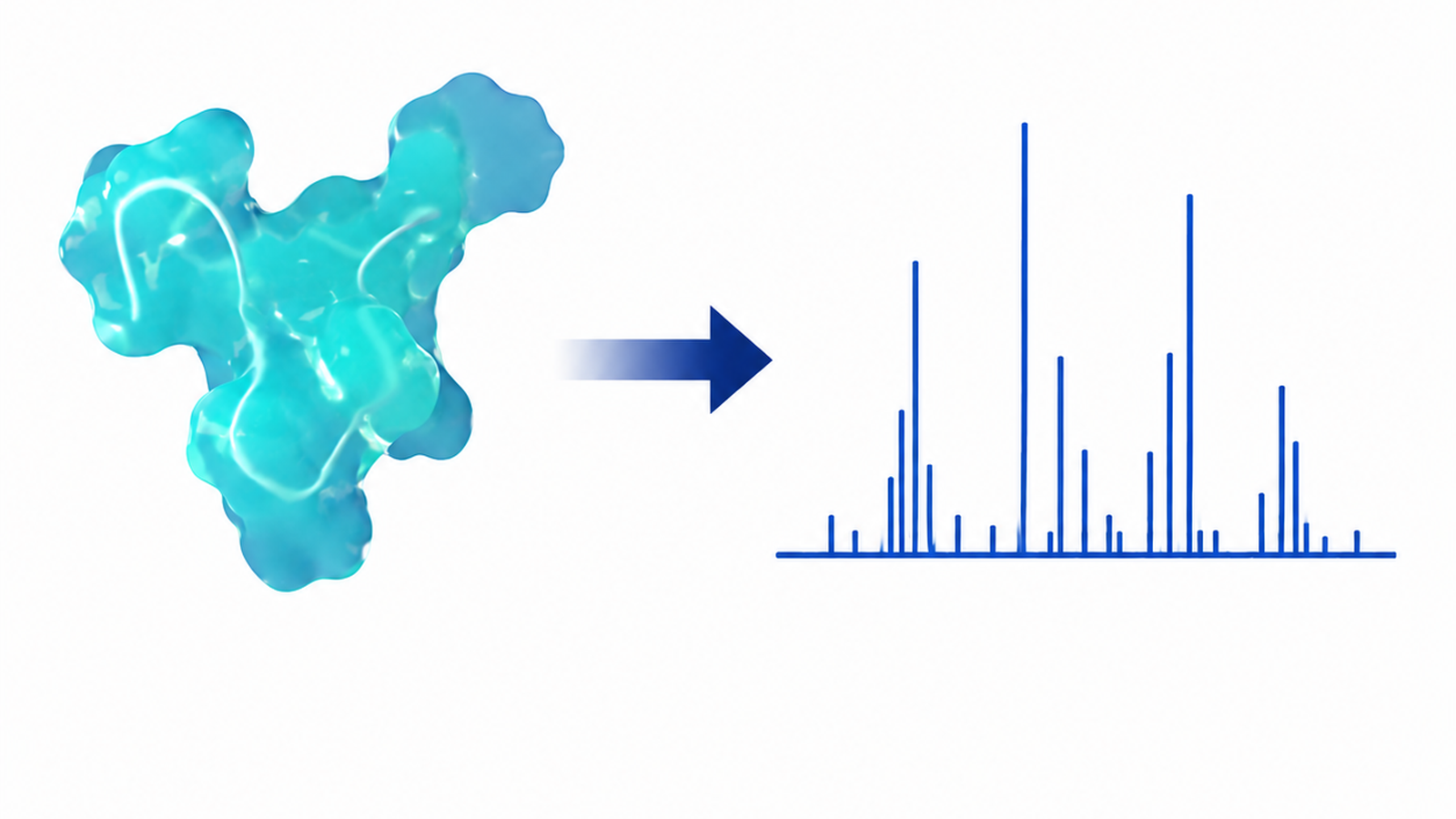
The success of GLP-1 drugs has driven a surge in advanced peptide therapeutic development and has transformed the treatment of metabolic disease. Engineered peptides can deliver long-acting, highly-specific therapies, but their popularity has reached such a peak that bottlenecks are becoming a genuine challenge.
One of the major potential accelerants of bottlenecks is metabolite identification, which is made particularly tricky by the structural modifications required to enhance GLP-1 drugs’ stability. These changes can alter metabolic pathways, clearance mechanisms, and tissue distribution patterns.
To address this challenge, developers and sponsors must be prepared to deploy advanced testing techniques and integrated, carefully planned programs.
Metabolite Identification Issues Caused by Structural Modifications
Peptides are naturally susceptible to enzymatic degradation in the body. That makes it difficult to deliver them orally and limits how long they remain in the bloodstream. PEGylation, cyclization, lipidation, and advanced delivery systems have all been used to help peptides stay in the body for longer periods of time before degradation and with greater efficacy.
Linker systems and conjugated constructs have also been used to modify peptides’ structure to make them more efficacious, but these changes can make it more difficult to identify metabolites, as they can:
- Affect tissue distribution and clearance
- Change which enzymes can act on the peptide
- Create more cleavage products
- Generate mixed metabolite profiles
- Complicate mass-spectrometry interpretation
To tackle these challenges, developers must adopt integrated analytical workflows and use the very latest techniques to ensure testing is as thorough as possible.
Utilizing LC-HRMS for Rapid Discovery
Liquid chromatography-high resolution mass spectrometry (LC-HRMS) can reliably and efficiently identify and structurally characterize metabolites in peptides.
WuXi AppTec offers its own LC-HRMS analysis platform for discovery and identification, integrating diverse data processing software and techniques such as background subtraction, mass-defect filtering, and targeted product ion filtering.
By employing targeted and non-targeted analytical methods, alongside a combination of software and manual approaches, the platform enables the discovery of peptide metabolites in both in vitro and in vivo experimental systems.
Making the Most of Radiolabeled ADME Studies
Radiolabeled ADME shows the whole-body fate of drug-related material, not just the parent peptide or the metabolites that are easiest to see. It can show how much administered drug material is recovered in urine, feces, bile, and tissues, depending on the study design.
This metabolite radio-profiling and identification helps researchers understand clearance pathways, find active/reactive metabolites, and discover metabolites that are either disproportionate or unique to humans to support drug evaluation and safety.
Strategic label placement is critical and should be decided early. Radiolabeled ADME is only a powerful tool if the label is placed where it answers the correct development question. In advanced peptide therapeutics, this decision is more complex as the peptide, linker, and conjugated groups may each have different metabolic fates.
Finally, radiolabeled ADME complements LC-HRMS. While the latter helps find the structure of the metabolite, the former helps to establish how much drug-related material exists, where it’s going, and how it’s cleared.
Supporting IND-Enabling Studies
As peptide therapeutic development becomes more structurally complex, metabolite identification and ADME characterization can no longer be considered late-stage confirmatory exercises. Instead, they are increasingly important parts of early-stage development strategy.
Early metabolite mapping can help identify primary cleavage sites, metabolic soft spots, major circulating or excreted metabolites, and potential species differences before IND-enabling toxicology studies are completed. This is especially important for engineered peptides as stability-enhancing modifications can shift degradation away from predictable pathways and toward alternative clearance or biotransformation mechanisms. Understanding these pathways at an early stage can help developers assess whether the selected nonclinical species provide adequate metabolite coverage.
An integrated bioanalytical workflow can reduce uncertainty around metabolite identity, exposure, clearance pathways, tissue distribution, and toxicological relevance. It can also help developers and sponsors anticipate potential regulatory questions about metabolite coverage, species selection, and the disposition of structurally modified components.
A Final Word
The evolution of peptide therapeutics is just beginning, but it is already expanding what these molecules can achieve. However, it’s also increasing the complexity of their preclinical characterization. Long-acting designs, linker systems, conjugated constructs, and other structural modifications can improve potency, stability, and therapeutic performance, but they can also create more complex metabolite profiles and less predictable disposition pathways.
This means metabolite identification should be considered in early-stage development rather than treated as a later box-checking exercise. LC-HRMS, radiolabeled ADME studies, and integrated workflows each help provide a different part of the disposition picture. When planned together, they can help developers gain a strong understanding of metabolite profiles and support IND-enabling safety packages.
Developers seeking to avoid costly delays should ensure that metabolite identification is built into preclinical development from the outset. With this approach, researchers can reduce uncertainty, strengthen regulatory decision-making, and provide a clearer understanding of how advanced peptide therapeutics behave in biological systems.