Oligonucleotide therapeutics present unique DMPK challenges that can derail development programs. Unlike small molecules metabolized by hepatic CYP enzymes, oligonucleotides face degradation from nucleases and clearance through specialized pathways. Their tissue-specific accumulation patterns drive both efficacy and toxicity in ways that traditional DMPK approaches cannot predict.

Preclinical Safety
The 4 Most Promising Therapeutic Applications for Peptide Drug Development
Peptide-based therapeutics are emerging as one of the pharmaceutical industry’s most valuable platforms, with over 80 FDA-approved drugs and accelerating investment across major therapeutic areas. By combining the target specificity of biologics with improved stability and manufacturability, peptides are addressing previously intractable diseases where conventional small molecules and antibodies have fallen short.
Preclinical Drug Development Demystified: Your ADME to Toxicology Roadmap
Shepherding a new drug from concept to clinic requires scientific rigor at every stage. For small and large molecules, the journey through preclinical development begins with in vitro and in vivo assessment. This assessment includes a battery of absorption, distribution, metabolism, and excretion (ADME) studies followed by comprehensive toxicology. Assessing molecules using an established stepwise approach helps guide candidate selection and builds confidence ahead of regulatory submission. However, each stage must be carefully considered according to the unique characteristics of small or large molecules.
Five Pointers to Successfully Navigate the Challenges of Peptide Therapeutic Development
Insulin is the most high-profile peptide therapeutic in the world. First discovered in 1921 and used clinically the following year, the drug has improved the lives of millions of people suffering from diabetes.
Overcoming Challenges in Ocular Drug Testing with Advanced PK/PD Approaches
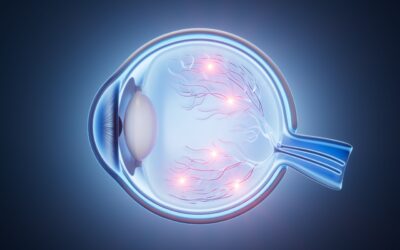
Ocular drug testing is a critical yet challenging step in the development of treatments for conditions like age-related macular degeneration, glaucoma, and dry eye disease. The eye’s complex anatomy and inherent biological barriers make precise ocular drug delivery and accurate pharmacokinetic (PK) analysis challenging. Yet the successful development of these therapies hinges on a robust understanding of a compound’s behavior in ocular tissues, including both PK and pharmacodynamic (PD) profiles, as well as its interaction with innovative formulations.
What Is IVIVE? 7 FAQs About In Vitro-In Vivo Extrapolation
What if you could predict how your candidate will perform using lab data? In Vitro-In Vivo Extrapolation (IVIVE) turns this vision into reality by converting in vitro metabolism results into quantitative predictions of human drug clearance. In this guide, we answer seven frequently asked questions about IVIVE so you can use this tool to speed development, cut costs, and improve decision-making across your pipeline.
Improving Bioanalytical Flexibility and Efficiency with Whole Blood Cryopreservation
In bioanalytical research, timelines are tight, sample logistics are complex, and multi-site collaborations are increasingly common. Given the complicated interplay among factors, traditional flow cytometry that requires a 24-hour turnaround presents hurdles.
Four Essential Pointers to Navigate CNS Regulations and Safety Assessments
New drug modalities and treatments are revolutionizing central nervous system (CNS) therapies, bringing hope to patients suffering from some of the most devastating diseases. Yet, drugs targeting the CNS are subjected to particularly stringent regulations in terms of safety assessment. This is due to the irreversibility of damage to the CNS, the difficulties of detecting neurotoxicity, and the complexity of the systems targeted.
Navigating the Complexities of Ocular Drug Delivery Systems
Ocular diseases like age-related macular degeneration (AMD), glaucoma, and dry eye affect millions of people across the globe, diminishing quality of life and risking irreversible vision loss. While the need for pharmaceutical treatment options is significant, effective drug delivery to these tissues presents a considerable challenge. The eye’s built-in protective barriers complicate effective pharmacological treatments, especially to deeper ocular tissues such as the vitreous and posterior segments. This unique scientific challenge requires innovative, targeted ophthalmology therapies and drug developers willing to tackle them with specialized preclinical in vivo ADME and pharmacokinetic methodologies.
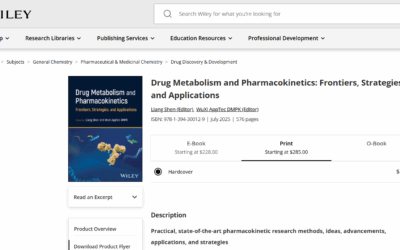
WuXi AppTec Launches Research Book Decoding DMPK Frontiers for Novel Therapeutics
The pharmaceutical industry is constantly evolving. New tools and methods are accelerating the pace of progress, facilitating efficient development of much-needed therapies. But the rise of novel drug modalities has presented challenges and opportunities and is driving continuous innovation and progress in Drug Metabolism and Pharmacokinetics (DMPK) research.
DAR Research on ADCs Using LC-MS
Antibody drug conjugates (ADCs) refer to conjugated drugs formed by linking monoclonal antibodies with small molecule drugs that exhibit strong cytotoxicity through specific linkers. Depending on the structure of the linker, ADCs can be divided into two types: fractured and non-fractured. This composition means that ADCs possess the targeting ability of monoclonal antibodies and the characteristics of small molecule cytotoxic drugs, or as they are colloquially known, “precision-guided biological missiles.” This also makes the structure of ADCs complex and diverse, making the pharmacokinetics of ADCs extremely challenging and uncertain. Therefore, ADCs have garnered considerable attention as a new and efficient antibody-based drug. In recent years, with the successful approval of multiple ADC drugs worldwide, particularly since 2019, when a total of 10 ADC drugs were approved, a new wave of ADC research has begun.
Transforming Drug Development: How Smart Compound Management Safeguards Integrity and Boosts Efficiency
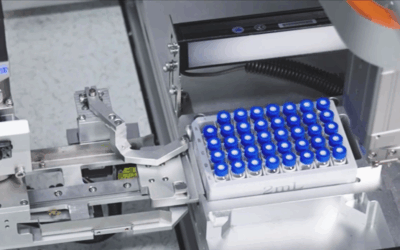
In the current era of high-throughput screening and expansive compound libraries, traditional methods of compound management are becoming increasingly obsolete. Reliant on human handling and manual documentation, traditional systems often faltered under the pressure of scale, risking sample degradation, process inefficiencies, and delayed timelines. Early automation efforts helped address some of the procedural challenges by streamlining tasks such as weighing, plating, picking, and liquid handling, but bottlenecks remained. Persistent pressure points like sample integrity and process flexibility required more advanced intelligent solutions.